Honoring the men, their memory, and their mission



DESTROYERS

Subscribe
Abele
Drexler
Porter
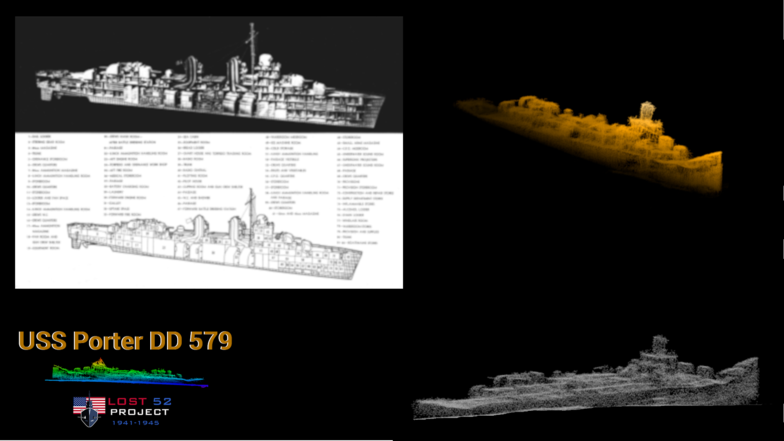
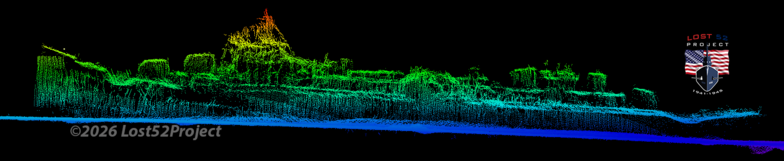
USS William D. Porter DD-579
After a brief return to Lingayen Gulf, the USS William D. Porter proceeded to Leyte to prepare for the upcoming assault on Okinawa. She stayed at Leyte during the first half of March before joining the gunfire support unit assigned to the Western Islands Attack Group for a week of gunnery exercises at Cabugan Island. On March 21, she left the Philippines, arrived at the Ryukyu Islands on the morning of March 25, and began supporting the nearly uncontested occupation of Kerama Retto. Between March 25 and April 1, Porter provided antiaircraft and antisubmarine protection for vessels anchored in the Kerama roadstead, while also offering fire support in response to occasional resistance encountered by troops on the Kerama Retto islets.
By the time the main assault on Okinawa began on April 1, Porter had been reassigned to Task Force 54, Rear Admiral Morton L. Deyo's Gunfire and Covering Force. During her time with this unit, she delivered fire support for the forces advancing on Okinawa, provided antisubmarine and antiaircraft defense for the larger warships of Task Force 54, and protected minesweepers during their operations. From April 1 to May 5, Porter fired more than 8,500 rounds of 5-inch shells at both shore targets and enemy aircraft amid nearly constant aerial attacks against the invasion fleet. During this period, she added five confirmed enemy aircraft kills to her record.
The relentless air raids originating from Kyūshū and Formosa led the Americans to deploy a network of radar picket ships around Okinawa, and Porter was reassigned to this role in early May. Between May 5 and June 9, she served on picket duty, warning the fleet of incoming enemy air raids and directing interceptors to engage attackers. She brought down another enemy aircraft herself, while fighters she directed accounted for seven additional kills. Reports claim that Porter accidentally damaged the USS Luce during the early stages of the Battle of Okinawa; however, contemporary war records do not mention this incident, and at the time of Luce's sinking on May 4, 1945, Porter was anchored at Hagushi while Luce was over 30 miles away, north of Aguni Island.
On June 10, 1945, the USS William D. Porter was critically damaged by a rare kamikaze attack. At 8:15 AM, an obsolete Aichi D3A "Val" dive bomber suddenly descended from the clouds and targeted the ship. Porter managed to evade the aircraft, which crashed into the water nearby. However, the bomb-laden plane ended up directly beneath the ship's keel before detonating. The underwater explosion lifted Porter out of the water and dropped her back down, causing a loss of power, ruptured steam lines, and multiple fires. For three hours, the crew worked desperately to control the damage and keep the ship afloat, but ultimately their efforts were unsuccessful. Twelve minutes after the abandon ship order was issued, Porter rolled over to starboard and sank by the stern. Remarkably, there were no fatal injuries among her crew. The ship's name was officially removed from the Naval Vessel Register on July 11, 1945.
The USS William D. Porter earned four battle stars for her service in World War II.